Medical scans such as mammograms, X-rays, and CT scans are important in diagnosing and monitoring many health conditions. Understandably, patients often worry about whether repeated exposure to radiation from these tests might increase their risk of developing cancer.
Radiation from Scans: How Big is the Risk?
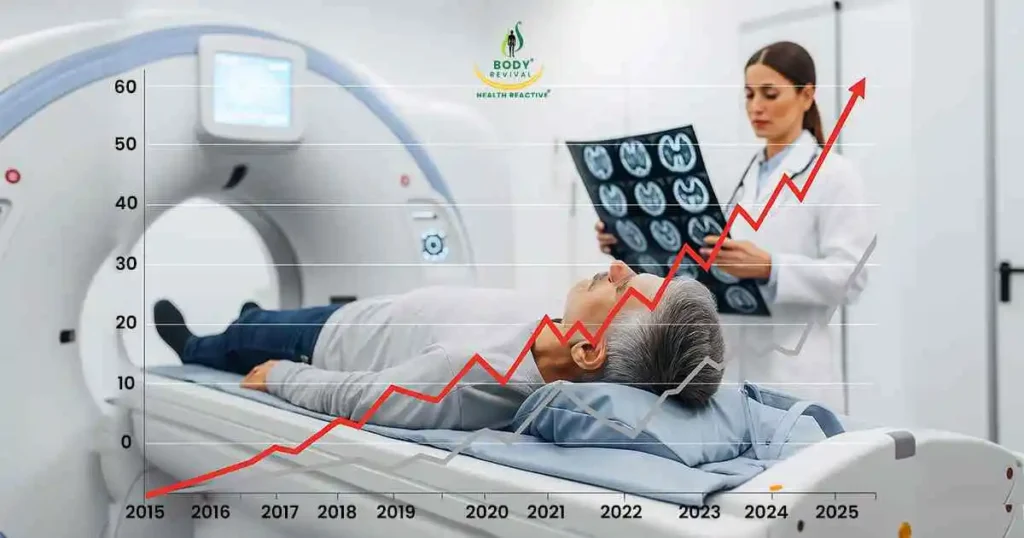
Imaging techniques like mammography and CT scans use ionising radiation, which has the potential to damage DNA. DNA damage can trigger cancer. However, the amount of radiation used in diagnostic scans is very small. Experts agree that the risk of developing cancer from these tests is minimal.
- A mammogram delivers about 1–10 milligray (mGy) per breast, depending on breast size and density. This is considered low-dose exposure and safe in clinical practice.
- Even higher-dose scans, such as CT, are unlikely to raise cancer risk significantly when used appropriately.
A recent review in the European Journal of Radiology concluded that the benefits of early detection far outweigh the risks of radiation. Early diagnosis of cancer and other diseases increases survival chances.
Who Should Be More Cautious?
For most women, the risk of breast cancer from medical imaging is extremely low. Mammography remains one of the most effective tools for early detection, which dramatically improves survival rates.

However, certain groups may require more careful planning:
- Women with a strong family history of breast cancer
- Carriers of BRCA1/2 mutations
- Women who require frequent scans from a young age
In such cases, doctors may recommend balancing mammograms with MRI or ultrasound, which do not involve radiation.
Tips to Minimise Unnecessary Radiation Exposure
- Keep a record of your previous imaging scans and share them with your doctor to avoid repeat exposures.
- Discuss necessity: Ask your healthcare provider if each scan is essential and whether alternatives exist.
- Follow screening guidelines: Most women should begin mammograms between the ages of 40 and 45, repeated every two years, unless advised otherwise.
While radiation from medical imaging carries a theoretical risk, the evidence shows that the clinical benefits far outweigh the potential harm. This is mainly for cancer, where early detection can save lives.
Everyday Habits Linked to Cancer and How to Reduce Your Risk

Research shows that while genetics and chance play a role in cancer, lifestyle choices account for a large proportion of preventable cases.
- Tobacco use – Smoking and chewing tobacco cause lung, oral, and throat cancers.
- Excessive alcohol – It raises the risk of breast, liver, and colorectal cancers.
- Unhealthy diet – Processed food, high sugar, and low-fibre diets contribute to obesity and cancer.
- Inactivity – A sedentary lifestyle increases risk for multiple cancers.
- Obesity – Excess fat fuels inflammation and hormonal imbalances.
- Unsafe sun exposure – Leads to skin cancer.
- Ignoring screenings – Many cancers are detected late due to missed tests.
Cancer Risk Reduction Checklist
Daily Habits
- Quit tobacco (smoking & chewing)
- Limit alcohol (1 drink/day for women, 2 for men – or none at all)
- Eat more fruits, vegetables, whole grains, and fibre
- Stay active: aim for 150 minutes of exercise per week
- Maintain a healthy weight
- Get 7–8 hours of good-quality sleep
- Manage stress through yoga, meditation, or relaxation
Protection & Screening
- Protect skin from harsh sun with sunscreen and clothing
- Follow breast, cervical, and colorectal cancer screening guidelines
- Get oral health checks if you use or have used tobacco
- Keep a record of all imaging scans to avoid unnecessary repeats
- Don’t ignore warning signs: unexplained weight loss, fatigue, or lumps
Extra Care for High-Risk Groups
- Discuss genetic testing if there’s a strong family history of cancer
- Ask your doctor about non-radiation imaging options (MRI, ultrasound)
- Stick to individualised screening schedules advised by specialists
Takeaway
Medical imaging carries a very small radiation risk, but its life-saving benefits in detecting cancer early are far greater. At the same time, everyday choices like diet, exercise, and screenings play a massive role in reducing cancer risk.
Your health is your responsibility. Make conscious lifestyle choices, get screened on time, and talk to your doctor about personalised ways to protect yourself and your family.