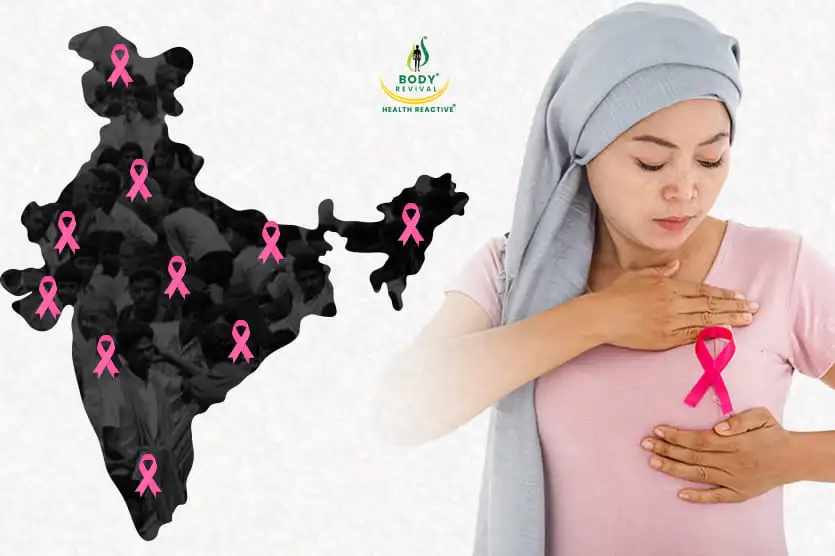
Breast cancer is the most common cancer among Indian women. In 2022, India recorded about 1,92,000 new cases and 98,300 deaths from breast cancer alone. That same year, breast, oral, and cervical cancers together made up 32% of all new cancer cases.
In 2020, more than 2,00,000 women were diagnosed, and over 76,000 died from breast cancer in India. Experts warn cases will keep rising, especially in cities, where lifestyle changes like obesity, sedentary habits, delayed childbirth, and less breastfeeding increase risk. In fact, urban women face up to 2–3 times higher risk than rural women.
Alarmingly, only 1–2% of Indian women get screened regularly for breast cancer. Delayed diagnosis leads to high death rates. India’s breast cancer mortality is around 37%, above Asian and global averages.
Spotting Early Signs—Know Your Body
Early detection saves lives. Familiarize yourself with these signs:
- A new lump in the breast or armpit
- Changes in breast shape, size, or contour
- Skin dimpling or thickening
- Nipple discharge or inversion
- Redness, scaling, or swelling
Don’t ignore heaviness or pain—these can also be warning signs. Check your breasts once a month, a few days after your period. Report any changes to a doctor promptly.
Caring Through Cancer Diagnosis & Treatment
Living with breast cancer is tough—physically and emotionally. Here are practical care tips:
- Listen to the doctor
Understand your treatment: surgery, chemotherapy, radiation, or hormone therapy. Ask questions. Clear explanations help ease fear.
2.Institutional support.
Institutes like Tata Memorial Centre (TMC) in Mumbai offer state-of-the-art care, training, and subsidized treatment. India also has 62 Regional Cancer Centres and a National Cancer Control Programme that builds awareness and services across the country.
- Alternative Cancer Treatments
Alternative and Supportive cancer treatments are helping the patients in their journey against cancer. An ayurvedic medicine for cancer also recently underwent a clinical trial for breast cancer patients. The results of this clinical trial were very positive and promising.
On Everyday Care: Food, Movement, Mind
Here’s how to stay strong through treatment:

Nutrition Basics
- Eat protein-rich foods like eggs, paneer, lentils, fish (if allowed), or soy.
- Include bright fruits and cooked vegetables for vitamins and fiber.
- Choose whole grains and healthy carbs like rice, chapati, or idli.
- Stay hydrated with water, coconut water, and soups.
- Avoid raw or unhygienic food, street food, alcohol, and smoking. Keep meals light and frequent.
Exercise
Gentle exercise can lift mood and reduce fatigue:
- Walk 10–15 minutes daily, at a pace that feels safe.
- Try calming yoga poses like mountain, cobra, bridge, or corpse pose.
- Do gentle breathing exercises like alternate-nostril breathing or humming bee breath.
Avoid heavy lifting, intense workouts, or any sport that risks injury.
Good Sleep & Emotional Health
- Sleep 7–9 hours—rest heals.
- Talk openly, share fears with loved ones or counsellors.
- Mindfulness, prayer, or deep breathing can calm your mind.
Hygiene & Self-Care
- Handle wounds or dressings carefully. Wash hands and avoid infection.
- Wear soft clothes, avoid perfume near surgery sites, and moisturize to soothe dry skin from treatments.
Final Thoughts: You’re Not Alone
Breast cancer in India is growing, but so is awareness. You are not alone, and you don’t have to fight this in silence. Learn the signs, seek care early, eat well, rest deeply, move gently, and reach out for help – medical, emotional, or practical.
Every small step counts. Early detection, treatment, and care give you the best chance of recovery and hope. Stay strong, stay informed, and keep going forward.